
· 2 min read
What the Research Says About Cannabis and Health
A grounded look at what cannabis is used for — pain, sleep, appetite, anxiety — and where the evidence is strong, mixed or thin.
People have used cannabis for pain, sleep and appetite for thousands of years, and Michigan’s medical program has existed since 2008. Here’s an honest summary of what the research supports and what it doesn’t. Nothing here is medical advice — talk to your doctor, especially if you take other medications.
The endocannabinoid system
Your body makes its own cannabinoids and has receptors for them throughout the brain, nervous system and immune system. THC and CBD interact with those receptors, which is why cannabis touches so many different symptoms.
Where the evidence is strongest
- Chronic pain. The largest body of evidence, including a 2017 National Academies review, supports cannabis for chronic pain in adults.
- Chemotherapy nausea and appetite. Well established; THC-based medicines have been prescribed for decades.
- Muscle spasticity in multiple sclerosis.
- Certain seizure disorders — a purified CBD medicine is FDA-approved.
Where it’s mixed
Sleep, anxiety and PTSD have promising but inconsistent evidence. Low doses of THC or CBD-forward products can help many people relax and fall asleep; high doses of THC can make anxiety worse. Product, dose and ratio matter enormously.
Where to be careful
Heavy daily use — especially starting young — is linked to dependence and, in some people, worsened mental health. Smoking anything irritates the lungs. Pregnant and breastfeeding people should avoid cannabis. And cannabis interacts with some medications.
How to shop for it
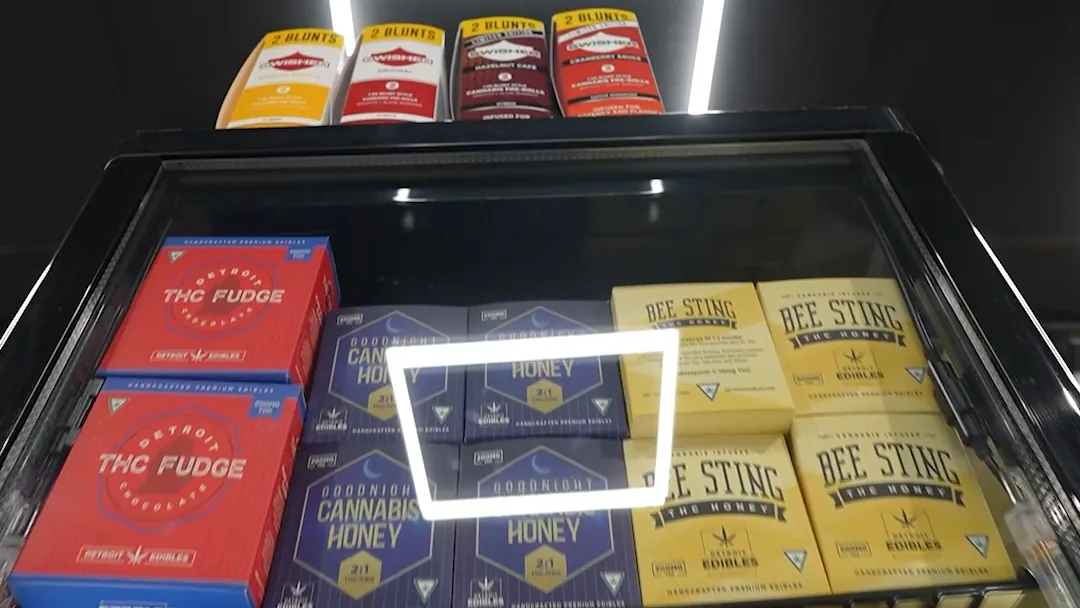
Tell a budtender what you’re trying to address. Tinctures and low-dose edibles make measured dosing easy; topicals deliver cannabinoids to a sore spot without a high; balanced THC:CBD products are a gentle place to start. Everything we sell is lab-tested, so the dose on the label is the dose you get.